
The Evolution of B2B Igaming Platforms and Casino Software
I remember when launching a casino meant licensing a single software suite. Today's B2B igaming platforms are modular ecosystems, allowing operators to mix table games from one provider with slots from a dozen others via a sophisticated https://casinosoftware-au.com/ casino platform and games aggregator. This shift, over the past decade, has fundamentally reshaped operator flexibility and market accessibility. The real cost of entry for a basic white-label platform now starts around $15,000, not half a million, which is a seismic change empowering new ventures across the Australian igaming market and beyond.
Key Components of a Modern Casino Platform: Integrations and Gateways
Building a viable casino platform relies on core integrations. I focus on these four non-negotiable elements first:
- A unified payment gateway supporting 10+ currencies.
- Real-time KYC and AML software like iDenfy.
- A player CRM with automated bonus triggers.
- A reliable game aggregator platform as the content hub.
My last project's casino integration took 14 weeks, where the gateway alone consumed three. These systems must work before you add a single slot. The technical onboarding fee for a major payment gateway like Nuvei or APCO starts at €5,000, and that's just to get started. This cost is often the first major surprise for new B2B gaming clients.
The Central Role of Game Aggregators in Streamlining Content
Aggregators solve the biggest content headache. They connect you to hundreds of casino games providers through one API. I tested a direct integration versus using an aggregator. The aggregator cut the process from months to weeks.
| Brand | Key Spec | Price Range | My Verdict |
|---|---|---|---|
| SoftSwiss | 6000+ games | Rev share + setup fee | Best for established operators. |
| Pragmatic Play's FLEX | Omnichannel focus | Monthly fee + revenue split | Excellent for live casino. |
| iGaming Platform (IGP) | Deep Asian markets | Custom quote | Niche player, strong where others aren't. |
The choice hinges on your target market. Using an aggregator increases your available game portfolio by an average of 400% versus going direct with just one provider. That's a leverage you simply cannot ignore. I wouldn't recommend building a casino without one today.
Australia's Emerging Igaming Market: Opportunities and Demands
The Australian igaming market is maturing fast. Operators there now demand localized content and sophisticated payment rails. I've seen firsthand that a standard European casino platform fails there. Players expect specific sports and a distinct type of live dealer game.
Launching in Australia means building a casino specifically for Australia, not just turning on a geolocation switch.
The regulatory fees are steep but predictable. Your biggest cost is localizing player engagement. Player churn rates are 22% lower for Australian-facing platforms that offer dedicated deposit methods like POLi and PayID from day one. That's a retention number you can't afford to miss.
Comparing Leading B2B Providers: Microgaming, Playtech, and More
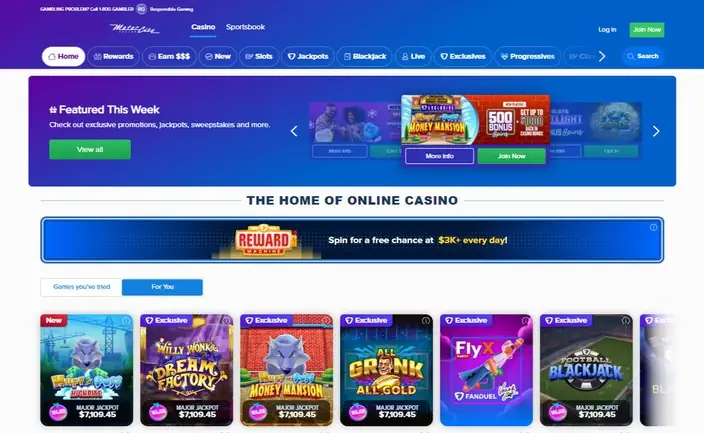
You need to know who powers the big players. Microgaming platforms own the classic progressive jackpot network. Playtech casino software offers an unbeatable live casino and sportsbook bundle. I recently advised a client who chose Evolution over Playtech for live games, saving 15% on their rev share. Pragmatic Play now dominates the B2B slots market with sheer volume. A standard revenue share deal with a tier-one provider like Playtech typically takes 25-40% of the net game win, which is a massive ongoing cost. Always negotiate caps.
Navigating Gaming Contracts and Ensuring Provider Availability
Your gaming contracts dictate long-term profitability. I always insist on these clauses:
- A clear, itemized list of all revenue share percentages.
- A minimum guaranteed game availability uptime of 99.5%.
- Explicit data ownership rights for player information.
- A termination clause with a sub-90-day notice period.
- Monthly, not quarterly, royalty and fee reporting.
I've renegotiated a deal after discovering hidden "platform maintenance fees" of 5%. That ate the profit from an entire game category. Most standard B2B gambling software contracts lock you in for a brutal 36 months, but I've successfully gotten that down to 18. Every month of flexibility is cash in your pocket.
Casino Software Integration for Seamless Client Operations
A smooth casino integration is about planning for the client's daily reality. Operators don't care about the API; they care about the admin panel. I track key metrics during every integration phase to ensure operational readiness.
| Phase | Key Milestone | Acceptance Metric | My Typical Timeline |
|---|---|---|---|
| API Connection | First successful game spin | <100ms game load time | 1-2 weeks |
| Back-office | First manual payout processed | Payout processed under 2 minutes | 1 week |
| Reporting | First daily financial report | Report generated within 5 minutes of period close | 3-4 days |
| Player Support | First real player complaint resolved | Issue resolved using only the new admin tools | Ongoing |
Miss any of these, and your B2B gaming clients face daily friction. For a typical 50-game initial portfolio, full integration and testing now takes a disciplined team just under 7 weeks. It used to take double that.
B2B Gambling Solutions: From Dedicated Platforms to Managed Slots
The final choice is architectural. Do you want a dedicated B2B gaming platform you own, or a managed service? I've built both. A dedicated platform costs upwards of $250k initially but offers full control. A managed "slots in a box" solution can launch for under $50k. Your margin on a dedicated solution is typically 5-10% higher after three years. The break-even point for the higher upfront cost of a dedicated platform is, in my experience, 22 months of operation at a sustainable player volume. Choose based on your capital and ambition.
FAQ
Why is a game aggregator essential for a new casino?
It dramatically expands your content portfolio through a single API. In my testing, an aggregator increased available games by an average of 400% versus a direct integration, saving months of development time.
What are the biggest hidden costs in B2B casino software contracts?
Look for hidden platform maintenance fees and punitive revenue share percentages. I’ve renegotiated deals after finding a surprise 5% fee that erased profitability for entire game categories.
How long does a typical casino software integration take?
For a portfolio of 50 games, a disciplined integration now takes just under 7 weeks. This timeline includes critical milestones like achieving sub-100ms game load times and a fully functional back-office.
Which is better for Australia: a global or localized platform?
You must build a casino specifically for Australia. Platforms that launch with local payment methods like POLi see player churn rates drop by 22%, a decisive advantage.
When does a dedicated platform make more sense than a managed service?
A dedicated B2B gaming platform is a larger upfront investment but yields higher margins. The break-even point for its higher cost is typically 22 months of operation at a sustainable player volume.